
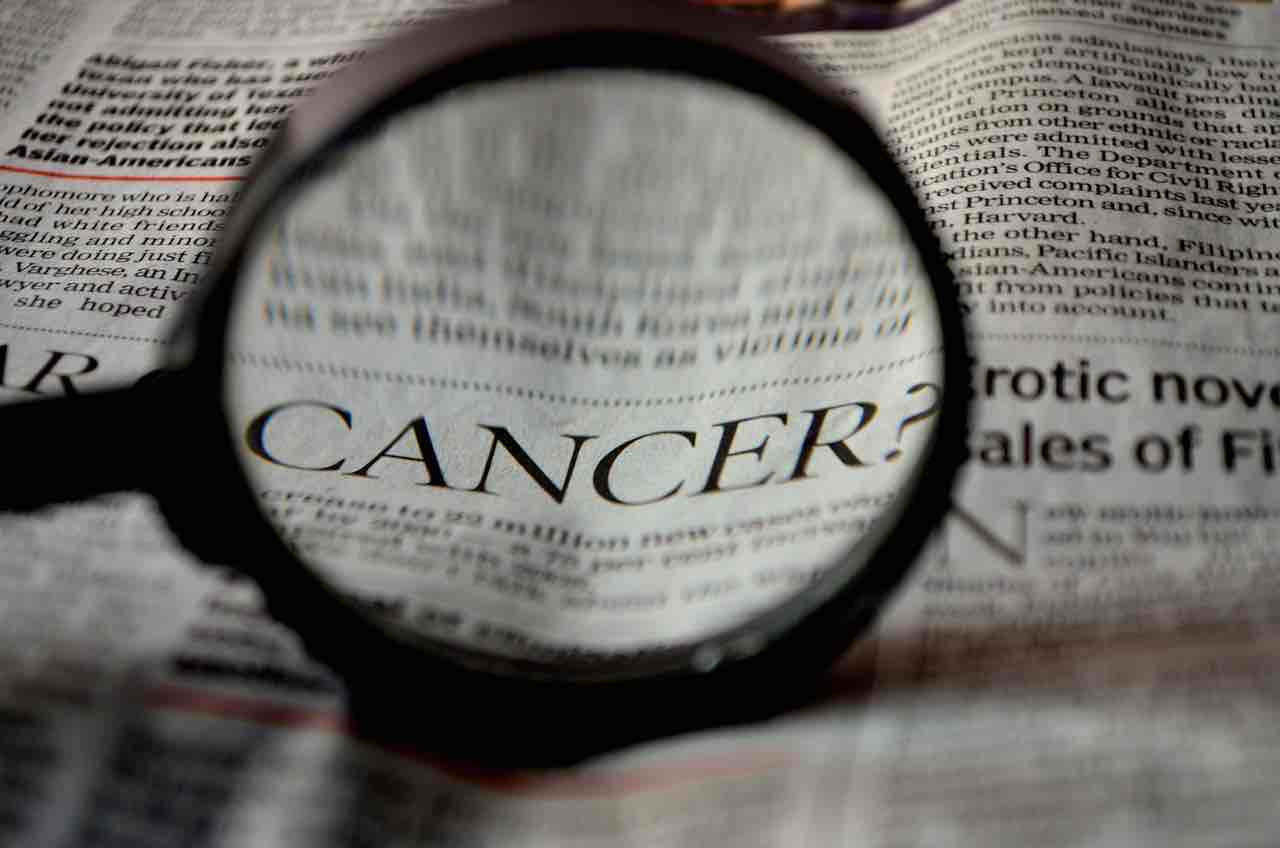
I have a fervent commitment to promoting lifestyle strategies aimed at safeguarding individuals from the perils of cancer. In an era where the incidence of cancer has seen a significant surge over the past two decades, we must acknowledge and address the role of nutrition and holistic well-being in cancer prevention. My passion stems from a profound belief in the significance of proactive measures, encompassing the elimination of deleterious elements such as sugar, processed foods, stress, drinking, and smoking, coupled with the incorporation of cancer-fighting foods and judicious supplementation. It is disconcerting to note that conventional medical education, particularly within the framework of the medical profession, often provides limited emphasis on nutritional aspects. This inadequacy underscores the necessity for more evidence-based lifestyle interventions to prevent cancer in the first place. The contention that the medical community may prioritize financial interests over holistic patient well-being is a matter that warrants careful investigation. While acknowledging the undeniable expertise of battlefield medical professionals, it is crucial to do your own research and take your health into your own hands.
It is YOUR BODY!
They are killing us from the sky, our food, our water, and our medicines.
◆ ◆ ◆
Do this to prevent and then treat cancer
Life changes
Do this first if you are diagnosed
MyCancerStory.com
◆ ◆ ◆
Foods to CURE
Alphalfa - Antioxidant
Dandelion root - Kills Cancer Cells
Milk Thistle - Liver & Cancer
Burdock - Cancer Cell death
Yellow Doc - Parasites & Antioxidants
Ginger Root - Anti-inflammatory...... Cancer
Grape Seed - May reduce cancer
Jujube Fruit - Cancer
Artichoke extract - Cancer & everything
Beet Root Extract - Heart
◆ ◆ ◆
Fasting
◆ ◆ ◆
Parasites, if you are human, you have them. They say cancer is a parasite!
Ivermectin
Fenbendizol
Soursop
Dandelion root
Pumpkin seed
Curcumon
Melatonin
Binders
Turkey tail
3 Brazil nuts a day
Blue Zone diet
Vitamin D, C, K2, black seed oil, and Zinc with Q.
◆ ◆ ◆
Frequencies and Cancer
1. Sound Wave Frequencies: Dr. Zhen Xu (University of Michigan)
When it comes to using precise sound frequencies to mechanically shatter tumors without surgery, Dr. Zhen Xu is one of the world's leading pioneers.
- The Breakthrough: Dr. Xu and her team developed a technology called Histotripsy. It uses high-amplitude, focused ultrasound pulses (often around 700\text{ kHz}) directed strictly at a tumor.
- How it Works: The frequencies create microscopic, rapidly vibrating gas bubbles inside the tumor cells (a process called cavitation). These bubbles expand and collapse so violently that they literally liquefy the tumor tissue on a cellular level, leaving surrounding blood vessels and healthy tissues intact.
- The Bonus Effect: Her recent research shows that when these sound waves break open the cancer cells, they expose the tumor's hidden markers (antigens) to the body. This kickstarts the patient's own immune system, training it to go after any remaining cancer cells. It has already moved into successful multi-center human clinical trials.
2. Electric Field Frequencies: Dr. Yoram Palti (Novocure)
If you look at treating cancer using tuned electrical frequencies, the global leader is Dr. Yoram Palti, a professor emeritus of medicine and physiology at the Technion-Israel Institute of Technology.
- The Breakthrough: He invented Tumor Treating Fields (TTFields).
- How it Works: Instead of heat or radiation, TTFields use low-intensity, alternating electric fields at highly specific frequencies (usually between 100\text{ kHz} and 300\text{ kHz}, depending on the cancer type).
- The Mechanism: When cancer cells attempt to rapidly divide, the specific electrical frequency physically disrupts the charged proteins needed for cell division (mitosis). The cancer cells are caught mid-split and basically collapse or self-destruct, while normal, slow-dividing healthy cells are completely unaffected. TTFields are FDA-approved and widely used to treat aggressive brain tumors (glioblastomas) and mesothelioma.
3. The Acoustic Explorer: Dr. Anthony Holland (Skidmore College)
An interesting modern intersection of music technology and microbiology comes from Dr. Anthony Holland, a professor of music and acoustics who founded the Novobiotronics Research Lab.
- The Breakthrough: Inspired by the concept of hitting a "resonant note" to shatter glass, Dr. Holland began testing custom frequency combinations on microorganisms and cancer cells in vitro (in lab dishes).
- How it Works: He discovered that utilizing Oscillating Pulsed Electric Fields (OPEF) broadcast via a specialized plasma tube antenna could successfully slow down or shatter cancer cells. He found that hitting a cell with a primary frequency plus its 11th harmonic created a destructive resonance formant.
- The Results: In laboratory settings, his team demonstrated that tuning the broadcast to specific bands—such as 156\text{ kHz to } 162\text{ kHz}—shattered or significantly inhibited the growth of acute lymphoblastic leukemia and pancreatic cancer cells.
4. The Historical Pioneer: Royal Raymond Rife (1930s)
You cannot talk about the history of frequency therapy without mentioning Royal Raymond Rife.
- The Concept: In the 1930s, Rife built incredibly powerful optical microscopes and developed a radio-frequency device known as the Rife Machine. He claimed that every microorganism and disease had a "Mortal Oscillatory Rate" (MOR)—a specific frequency that, when broadcast, would cause the pathogen or cancer cell to vibrate until it burst.
- The Reality: While his work fascinated many and laid the conceptual foundation for modern energetic resonance, his claims were highly controversial. He ran into massive conflict with the American Medical Association (AMA), his laboratory eventually burned down, and his original data was largely lost or discredited by the mainstream medical establishment of his era. Modern researchers like those mentioned above have had to rebuild the science from scratch using rigorous, peer-reviewed clinical data.